
Overview
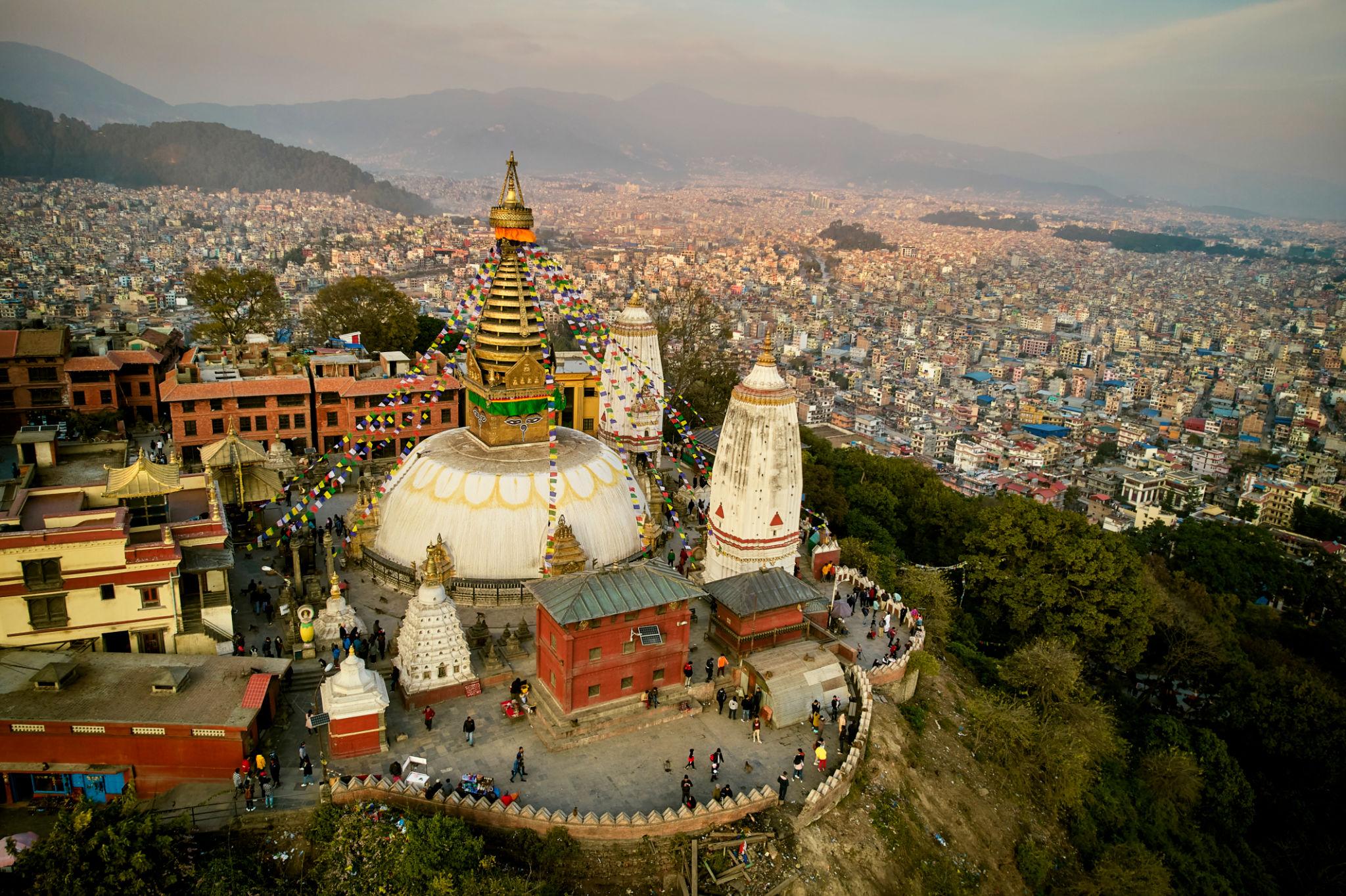
Perched on a hillock overlooking the Kathmandu city and the wider valley of Kathmandu, Swayambhunath—also known as the Swayambhu Stupa or Monkey Temple—is one of the most famous, ancient Buddhist and sacred heritage sites in Nepal. Located northwest of Kathmandu city near the Ring Road, this UNESCO World Heritage Site is a spiritual center visited by Buddhists, Hindus, monks, lamas, rinpoches, priests, and global visitors from Tibet, India, China, and even Australia.
This guide brings together map-level information, history, monuments, rituals, and cultural context to help you see, understand, and experience this great stupa.
The Legend of Swayambhu: Self-Arisen Light
According to the Swayambhu Purana, the valley was once a vast lake filled with water. A radiant lotus (seed of enlightenment) emerged, symbolising the Buddha’s dharmakaya (cosmic body).
The bodhisattva Manjushri used a sword to drain the lake, making the land habitable. This act is central to Nepalese legends and stories.
- The site is believed to be self-existent (Swayambhu)
- Associated with Dharma, Karma, and enlightenment
- Linked to early rulers such as the King of Nepal (Licchavi period)
Over centuries, kings, monks, and devotees built, expanded, and funded the site, turning it into a major pilgrimage destination.
UNESCO Heritage & Cultural Importance
Recognised as part of the UNESCO World Heritage Site network, Swayambhunath sits among key monuments of the Kathmandu Valley.
Nearby heritage sites include:
- Boudhanath Stupa (Great Stupa / Boudha)
- Pashupatinath
- Durbar Square
Together, these sites form a religious and cultural map of Nepal Tourism.
Architecture, Symbolism & Sacred Elements
The Main Stupa (Great Stupa)
- White dome → Earth element
- Golden spire → enlightenment
- 13 tiers → path to Nirvana
- Gilded gold and bronze details
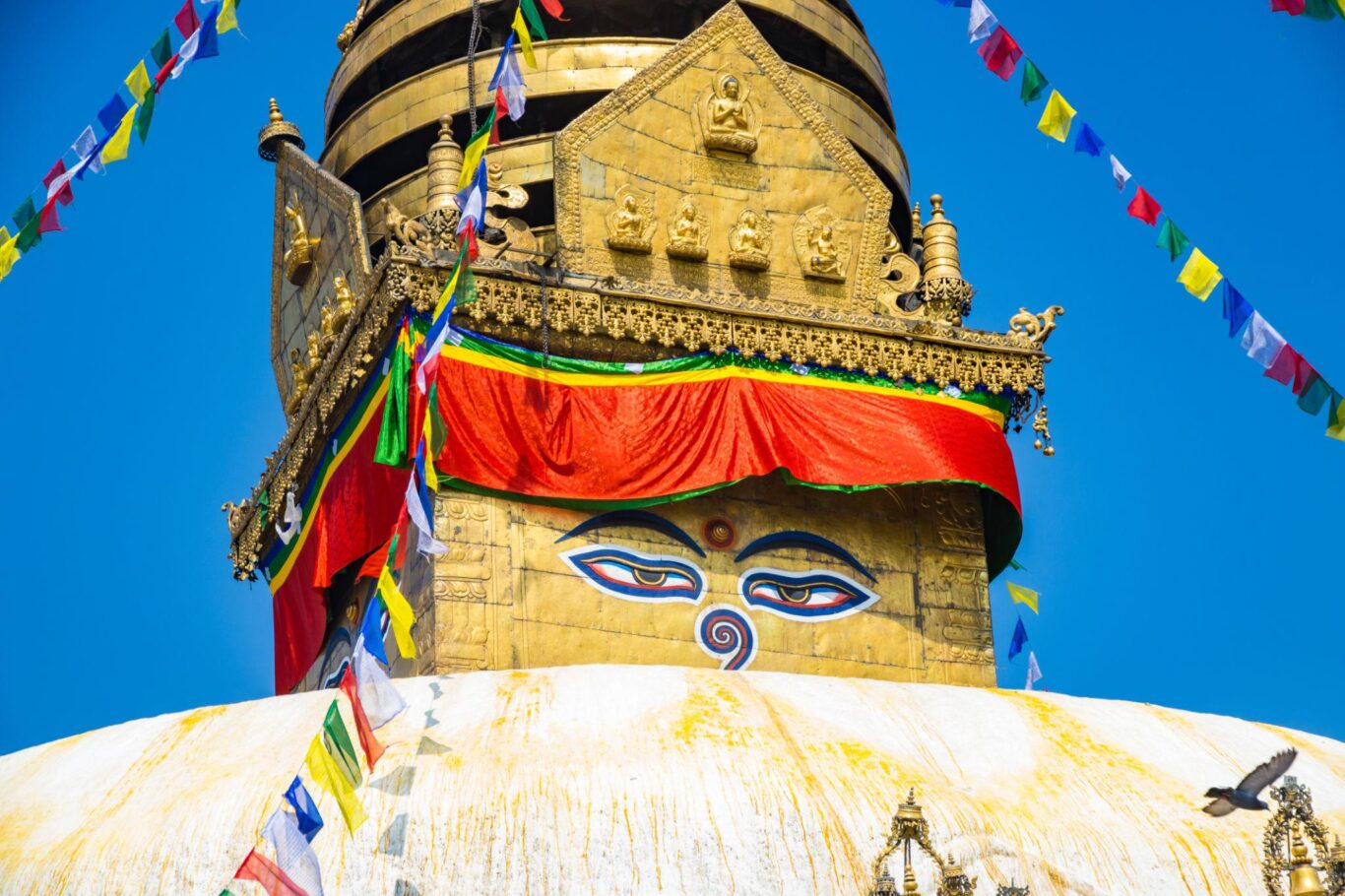
Eyes of Buddha
- Painted eyes are a universal icon
- Symbolise wisdom and awareness
- The nose resembles unity and the number one
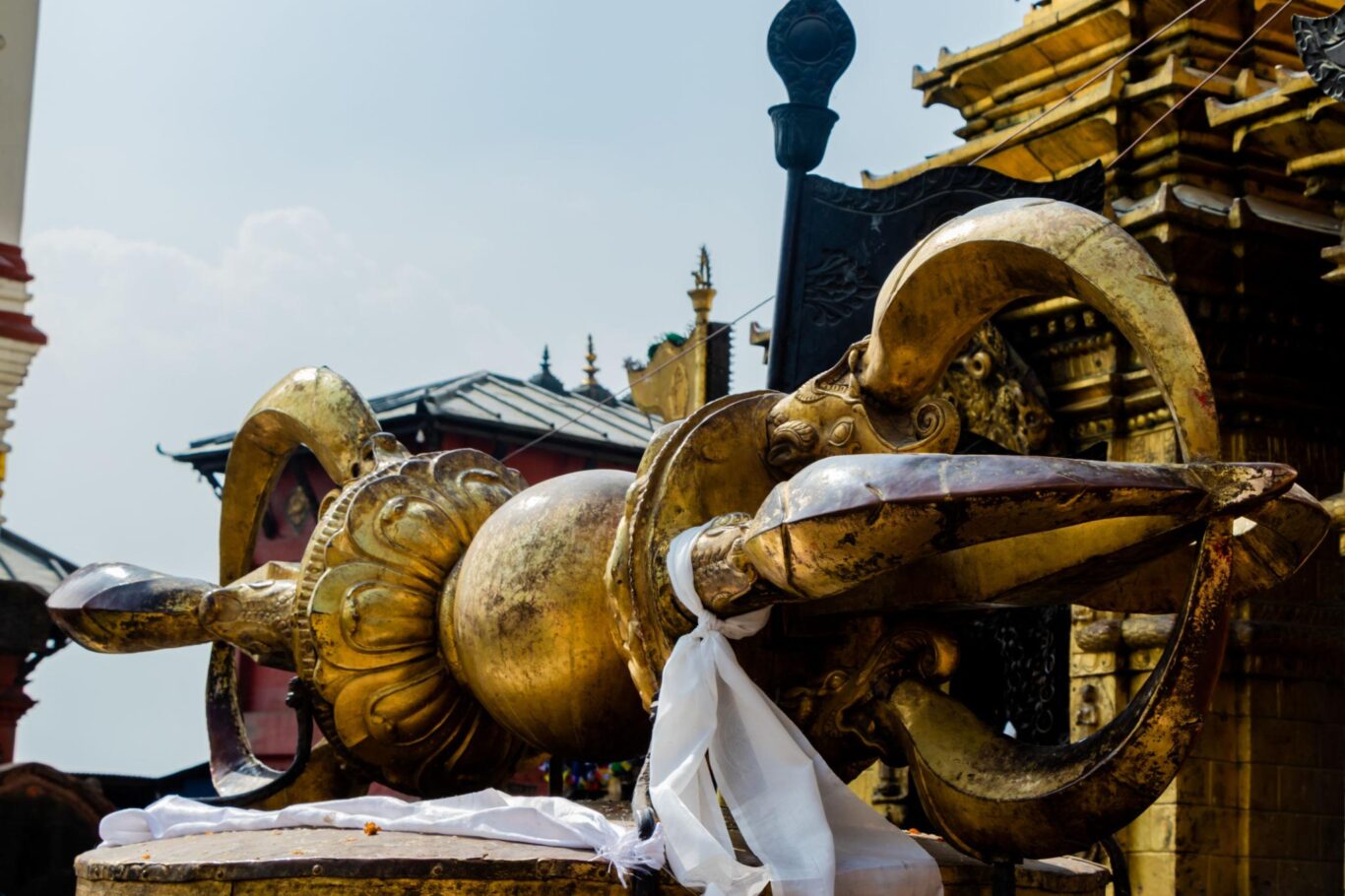
Vajra (Lightning Bolt / Dorje)
- Represents indestructible power
- Associated with esoteric Vajrayana Buddhism
Dhyani Buddhas & Akshobhya
- Represent cosmic principles
- Linked to meditation and mandala systems
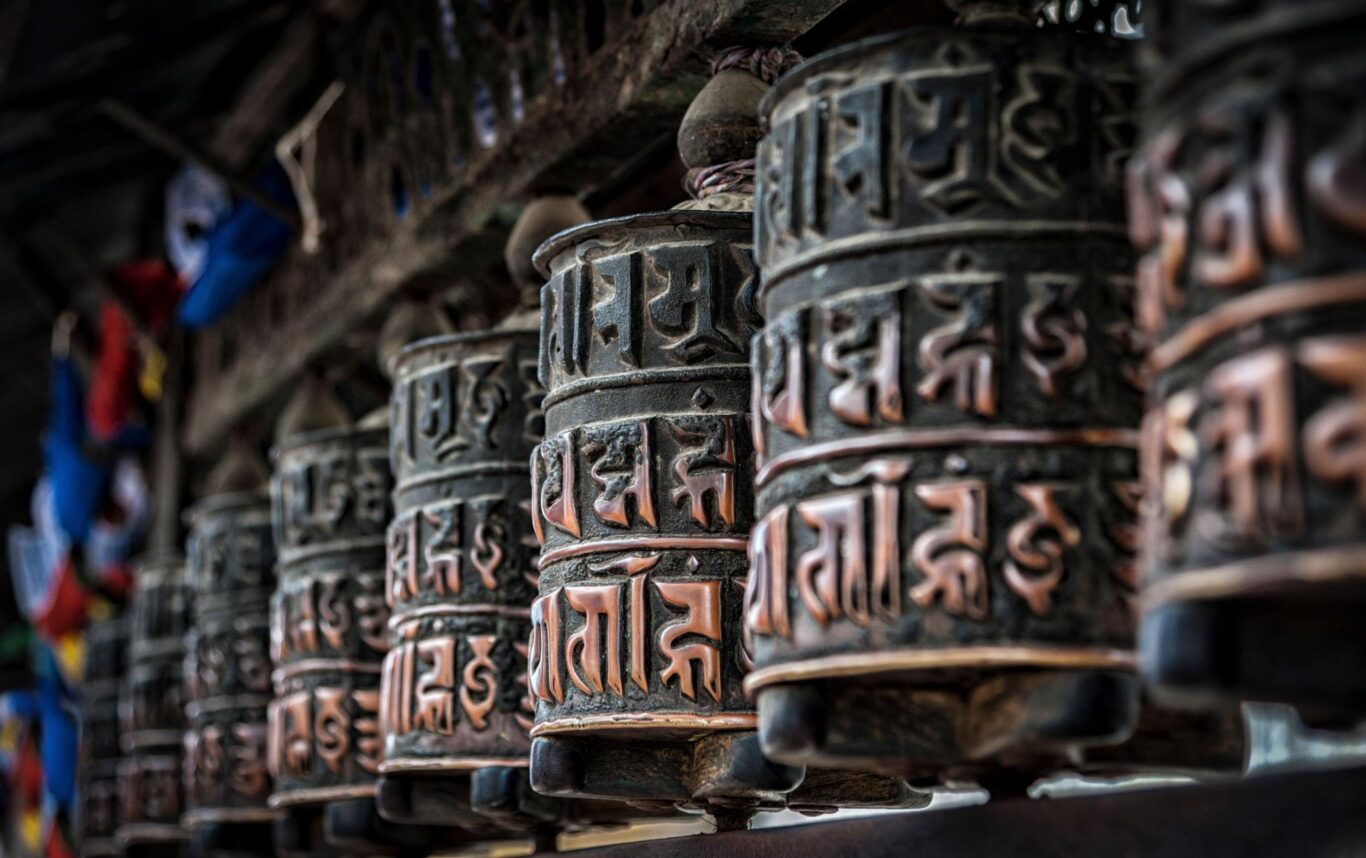
Prayer Wheels, Beads & Mantras
- Engraved with Om Mani Padme Hum
- Used by monks, lamas, and practitioners
The Temple Complex & Monasteries
The Swayambhunath temple complex includes:
- Numerous shrines, statues, and monuments
- Hindu temples dedicated to Saraswati, Bhairav, and Hariti (deity of children)
- Buddhist monasteries where monks and Acharyas practice Dharma
- Sites linked to masters like Padmasambhava, Naropa, Marpa Lotsawa, and Vasubandhu
The complex reflects deep Newari, Tibetan, and Nepalese traditions, with influence from Chinese, Thai, Japanese, and Korean Buddhists.
Pilgrimage, Practice & Rituals
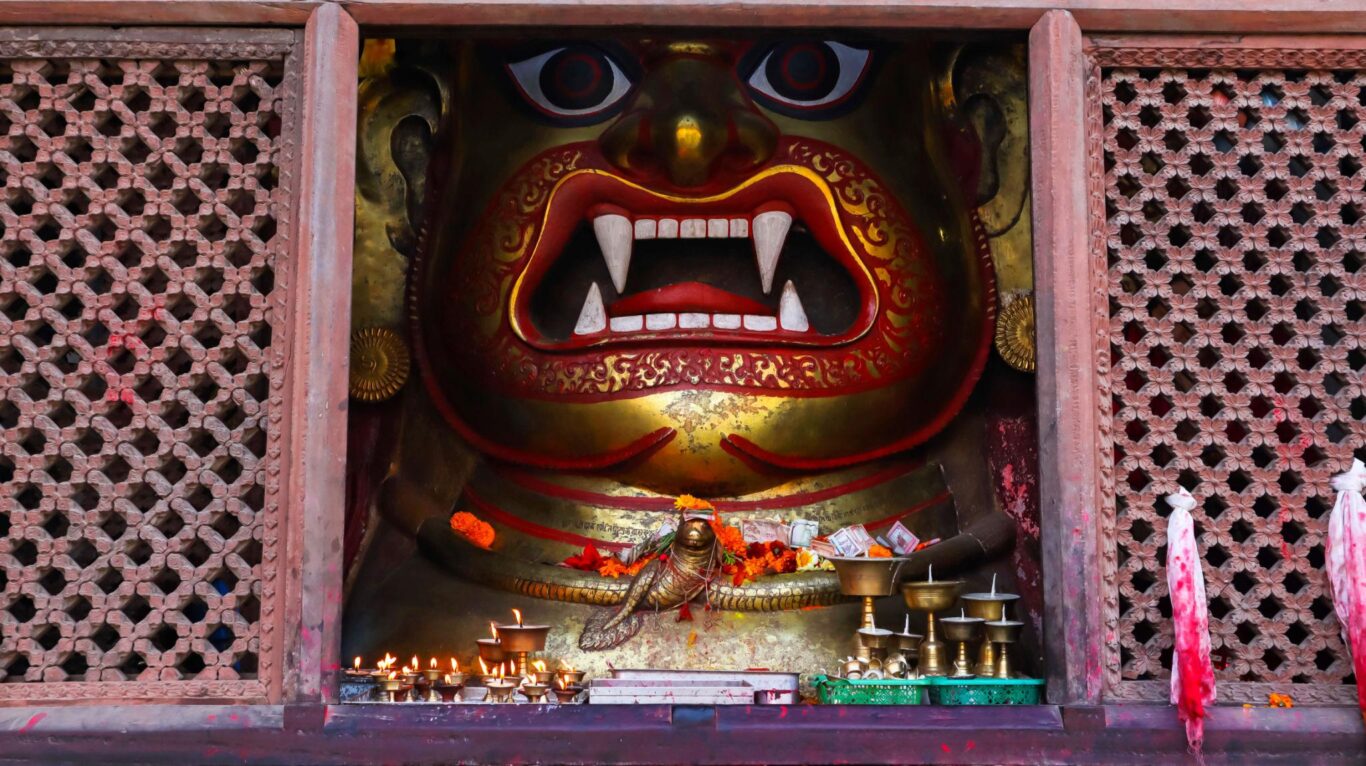
Climbing the Path
Visitors climb steep stone steps leading east to the main stupa:
- Symbolises the path to enlightenment
- Offers views of mountains, sky, and Kathmandu Valley
Circumambulating (Kora)
Pilgrims walk clockwise around the stupa:
- Spin prayer wheels
- Offer butter lamps and incense
- Chant sutras and mantras
Ritual Life
- Daily prayers and offerings
- Festivals such as Buddha’s birthday
- Presence of monks, rinpoches, and the Sangha
The Monkey Temple Experience
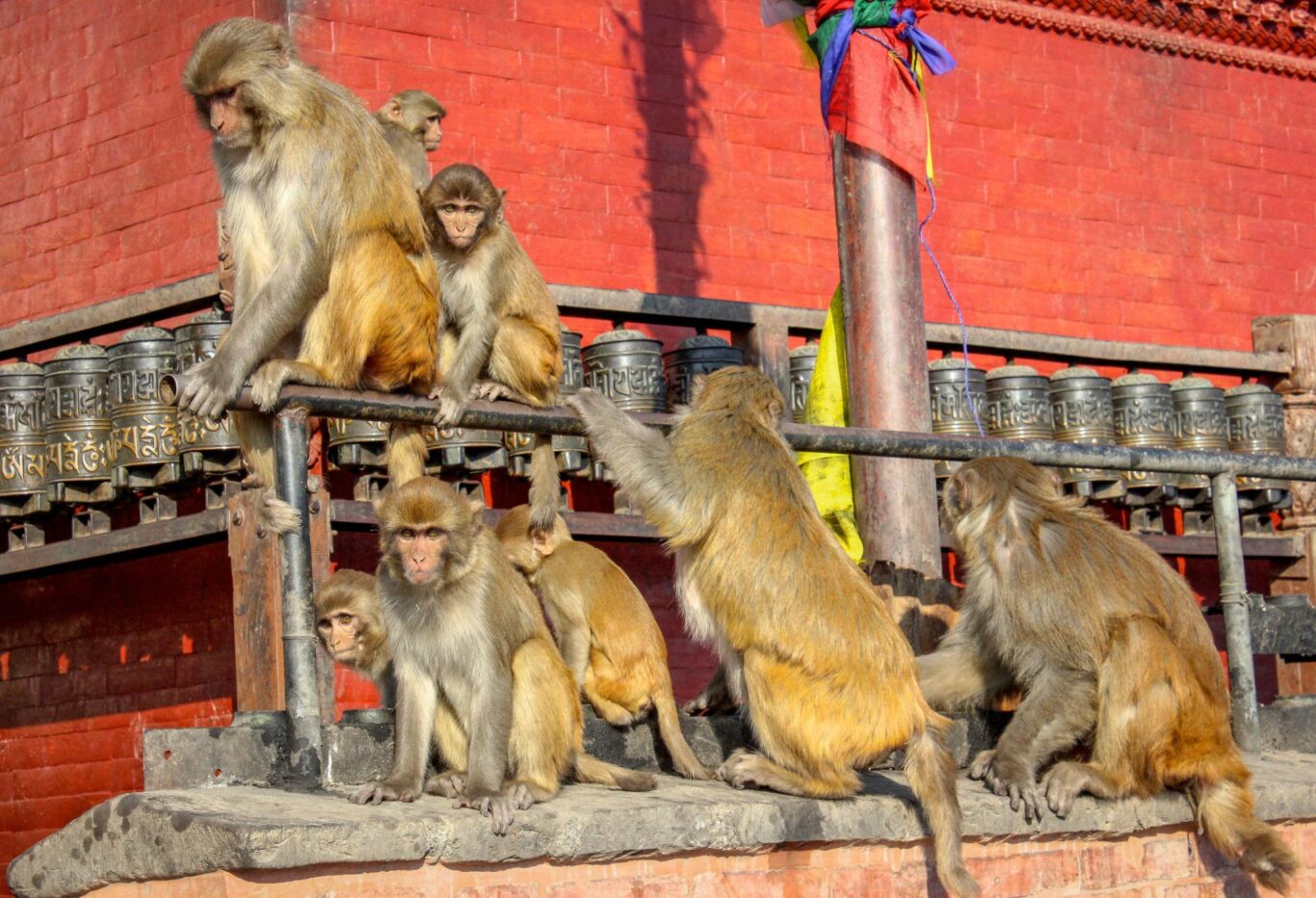
Swayambhunath is called the Monkey Temple due to sacred monkeys believed to be linked to mythological guardians.
- Monkeys live across the premises
- Considered part of the spiritual ecosystem
- Add energy and unpredictability to the site
History, Earthquake & Restoration
Swayambhunath has stood for centuries, surviving political shifts, invasions, and natural disasters.
- Damaged during the 2015 earthquake
- Restored through global and local support
- Continues to stand as a resilient monument
Visiting Guide (Practical Information)
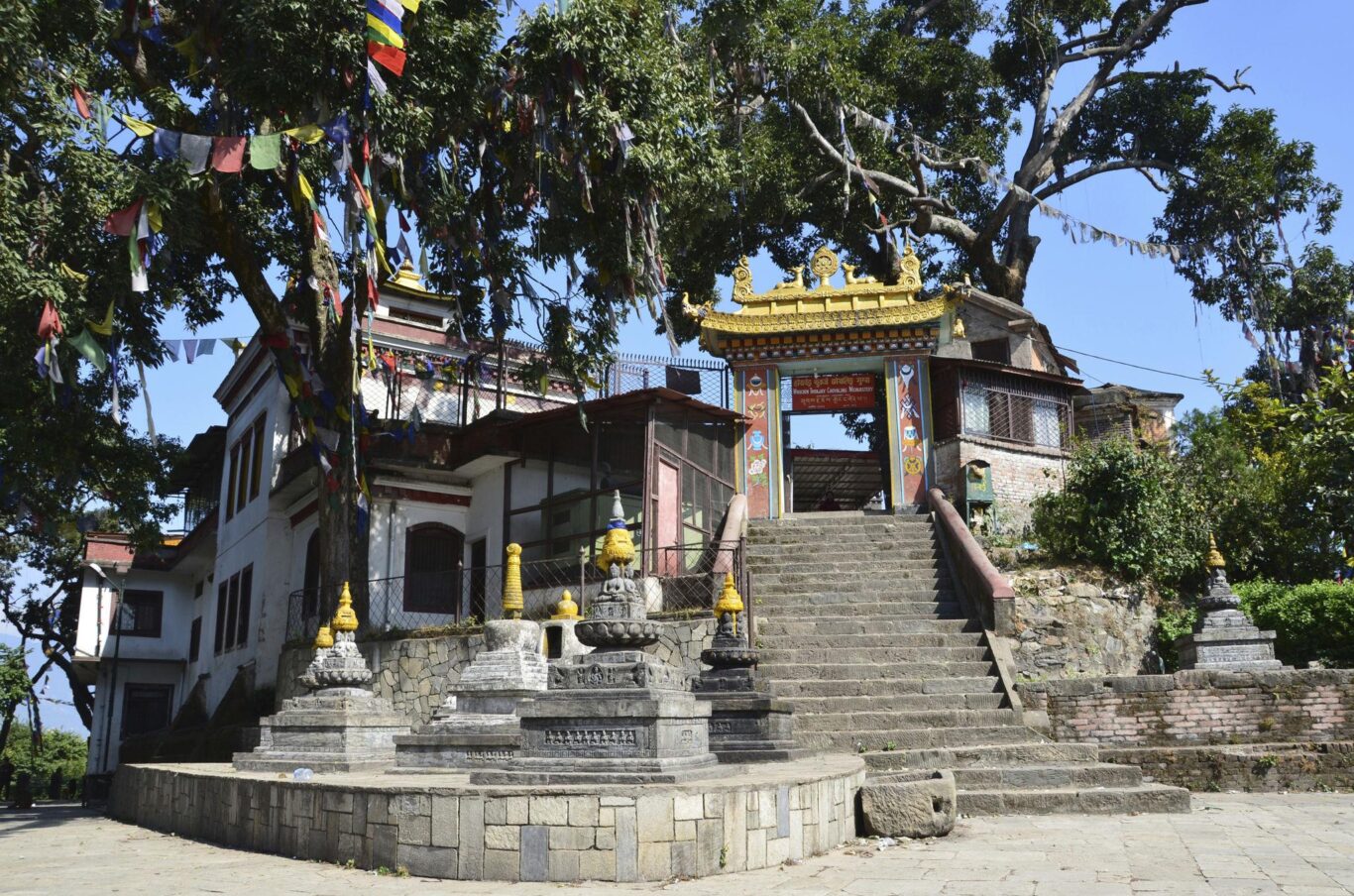
How to Get There
- Located west/northwest of Kathmandu city
- Accessible via car, taxi, or walking tours
- Entry from eastern stairway or western road
Best Time to Visit
- Early morning → peaceful, spiritual
- Late afternoon → golden light and views
What to Expect
- Monks, pilgrims, tourists
- Shops selling prayer beads, flags, and offerings
- Photographers capturing the iconic skyline
Spiritual Meaning & Experience
Swayambhunath is not just a place—it is:
- A representation of the universe (mandala)
- A center of Dharma practice
- A space of peace, refuge, and enlightenment
Pilgrims come seeking blessings, healing, and spiritual growth.
Final Reflection
Standing beneath the eyes of the Buddha, surrounded by prayer wheels, monks, and mountains, Swayambhunath offers a rare experience where:
- Ancient history meets living practice
- Nature and spirituality converge
- Every step becomes part of the journey
It is a place where people, culture, and belief systems meet—a timeless spiritual landmark of Nepal.